Euro
Euro

Product Overview
Product Description
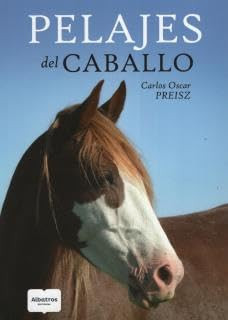
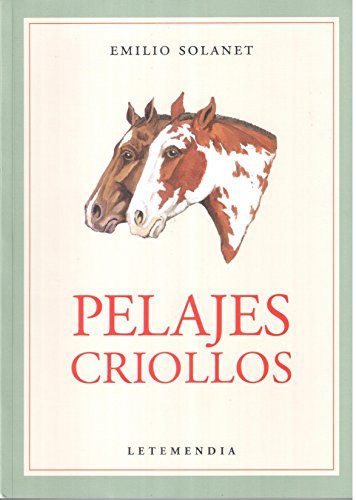
Esta Guia de Pelajes del Caballo Criollo muestra de manera practica y sintetica las variantes cromaticas del pelaje del caballo criollo argentino, facilitando el conocimiento de este tema a los no iniciados, proveyendo al mismo tiempo una ayuda memoria para los conocedores y acercandoles a todos los lectores un elemento de facil manejo, lectura y acceso visual para la comprension de este apasionante y tan tradicional tema. Contiene ademas, a modo de introduccion, una sucinta historia del caballo criollo, comenzando con los origenes del caballo espanol y su introduccion en America, describiendo su dispersion y evolucion, su ocaso a fines del siglo XIX y finalizando con su posterior revalorizacion y consolidacion como raza a partir del siglo XX. Ademas de la investigacion historica y la clasificacion y descripcion de cada pelaje y sus variantes, el autor ha realizado especialmente para esta Guia de Pelajes del Caballo Criollo todos los dibujos que ilustran sus paginas.
Review
1. CRIOLLO (Horse.) The Criollo (in Spanish), or Crioulo (in Portuguese), is the native horse of Argentina (1918), Uruguay (1923), Brazil (1932) and Paraguay. It may have the best endurance of any horse breed in the world next to the Arabian. In fact, due to the criollo's low basal metabolism, it may be a better long-distance horse than the Arabian in prolonged races over a week in duration with no supplemental feed. The breed is most popular in its home country, and is known for its hardiness and stamina. The word criollo originally referred to human and animals of purebred Spanish ancestry that were born in the Americas, or, in Portuguese crioulo, to animals or slaves born in the Americas. With time, the significance of the word would simply come to mean native breeds of the Americas. 2. BREED CHARACTERISTICS. The criollo is a hardy horse with a brawny and strong body. They have short, strong legs with good bone, resistant joints, low-set hocks, and sound, hard feet. The long-muzzled head is medium- to large-sized and has a straight or slightly convex profile with wide-set eyes. The croup is sloping and the haunches well-muscled, the back short with a strong loin. They have sloping, strong shoulders with muscular necks. The body is deep with a broad chest and well-sprung ribs. The criollo is tractable, intelligent, willing, and sensible. Criollo horses average 14.3 hands high. The maximum height for stallions and geldings is 15 hands high and the minimum height is 14 hands high.The maximum and minimum heights for mares are 2 cm less (approximately one inch). The line-backed dun is the most popular color, but the breed may also come in bay, brown, black, chestnut, grulla, buckskin, palomino, blue or strawberry roan, gray and overo colors. The breed is famous for their endurance capabilities and ability to live in harsh conditions, as their homeland has both extreme heat and cold weather. They are frugal eaters, thriving on little grass. They have good resistance to disease and are long-lived. 3. BREED HISTORY (Part 1.) The breed dates back to a 1535 shipment of 100 Pure Bred Spaniards - Andalusian stallions coming from Cadiz, Spain, to the Rio de la Plata imported by Buenos Aires founder, Pedro de Mendoza. In 1540, Indian hostility forced the Spaniards to abandon Buenos Aires and between 12 and 45 surviving horses were set loose. When Buenos Aires was resettled in 1580, it is estimated that the federal horse population numbered around 12,000. Since it largely reproduced in the wild, the criollo developed into an extremely hardy horse that was able to survive the extreme heat and cold, subsist with little water, and live off the dry grasses of the area. Settlers later came and started capturing horses for riding and for use as pack animals. The Native Americans had already been doing that many years before. Throughout the 19th century a large proportion of the horses were crossed with imported European Thoroughbred, coa
Esta Guia de Pelajes del Caballo Criollo muestra de manera practica y sintetica las variantes cromaticas del pelaje del caballo criollo argentino, facilitando el conocimiento de este tema a los no iniciados, proveyendo al mismo tiempo una ayuda memoria para los conocedores y acercandoles a todos los lectores un elemento de facil manejo, lectura y acceso visual para la comprension de este apasionante y tan tradicional tema. Contiene ademas, a modo de introduccion, una sucinta historia del caballo criollo, comenzando con los origenes del caballo espanol y su introduccion en America, describiendo su dispersion y evolucion, su ocaso a fines del siglo XIX y finalizando con su posterior revalorizacion y consolidacion como raza a partir del siglo XX. Ademas de la investigacion historica y la clasificacion y descripcion de cada pelaje y sus variantes, el autor ha realizado especialmente para esta Guia de Pelajes del Caballo Criollo todos los dibujos que ilustran sus paginas.
Review
1. CRIOLLO (Horse.) The Criollo (in Spanish), or Crioulo (in Portuguese), is the native horse of Argentina (1918), Uruguay (1923), Brazil (1932) and Paraguay. It may have the best endurance of any horse breed in the world next to the Arabian. In fact, due to the criollo's low basal metabolism, it may be a better long-distance horse than the Arabian in prolonged races over a week in duration with no supplemental feed. The breed is most popular in its home country, and is known for its hardiness and stamina. The word criollo originally referred to human and animals of purebred Spanish ancestry that were born in the Americas, or, in Portuguese crioulo, to animals or slaves born in the Americas. With time, the significance of the word would simply come to mean native breeds of the Americas. 2. BREED CHARACTERISTICS. The criollo is a hardy horse with a brawny and strong body. They have short, strong legs with good bone, resistant joints, low-set hocks, and sound, hard feet. The long-muzzled head is medium- to large-sized and has a straight or slightly convex profile with wide-set eyes. The croup is sloping and the haunches well-muscled, the back short with a strong loin. They have sloping, strong shoulders with muscular necks. The body is deep with a broad chest and well-sprung ribs. The criollo is tractable, intelligent, willing, and sensible. Criollo horses average 14.3 hands high. The maximum height for stallions and geldings is 15 hands high and the minimum height is 14 hands high.The maximum and minimum heights for mares are 2 cm less (approximately one inch). The line-backed dun is the most popular color, but the breed may also come in bay, brown, black, chestnut, grulla, buckskin, palomino, blue or strawberry roan, gray and overo colors. The breed is famous for their endurance capabilities and ability to live in harsh conditions, as their homeland has both extreme heat and cold weather. They are frugal eaters, thriving on little grass. They have good resistance to disease and are long-lived. 3. BREED HISTORY (Part 1.) The breed dates back to a 1535 shipment of 100 Pure Bred Spaniards - Andalusian stallions coming from Cadiz, Spain, to the Rio de la Plata imported by Buenos Aires founder, Pedro de Mendoza. In 1540, Indian hostility forced the Spaniards to abandon Buenos Aires and between 12 and 45 surviving horses were set loose. When Buenos Aires was resettled in 1580, it is estimated that the federal horse population numbered around 12,000. Since it largely reproduced in the wild, the criollo developed into an extremely hardy horse that was able to survive the extreme heat and cold, subsist with little water, and live off the dry grasses of the area. Settlers later came and started capturing horses for riding and for use as pack animals. The Native Americans had already been doing that many years before. Throughout the 19th century a large proportion of the horses were crossed with imported European Thoroughbred, coa